
WASHINGTON, D.C., December 19, 2025 — 2025 was a fast-moving and consequential year for AI—and especially for those working at its intersection with society, policy, and business. We saw the rapid emergence of agentic models, surfaced real and often unexpected risks, and witnessed powerful new ways AI can be used to improve lives and institutions.
At EqualAI, our focus has never been simply on keeping pace with innovation. We’re driven to ensure that AI governance and AI literacy move ahead of the curve—to ensure innovation is matched with understanding, accountability, and trust. As we close out the year, I’m deeply grateful for what we’ve accomplished together and energized by the work ahead.
Our President and CEO, Miriam Vogel takes you through some of her highlights from 2025 in our latest episode of In AI We Trust?, followed by an exclusive excerpt from the book she co-authored and released this year, Governing the Machine. Tune in to the episode here.
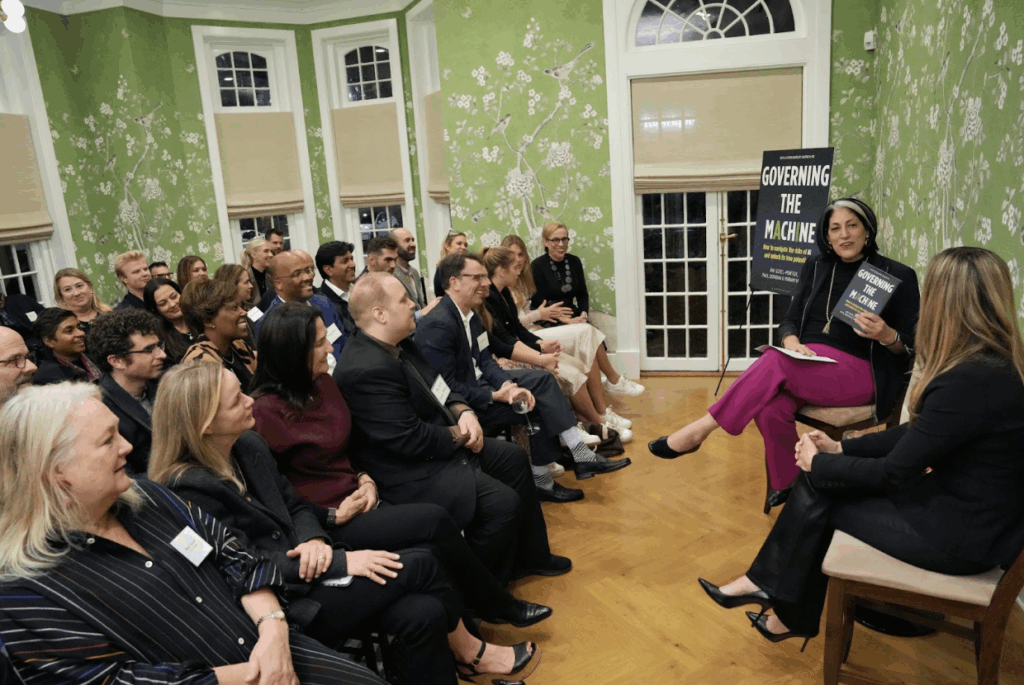
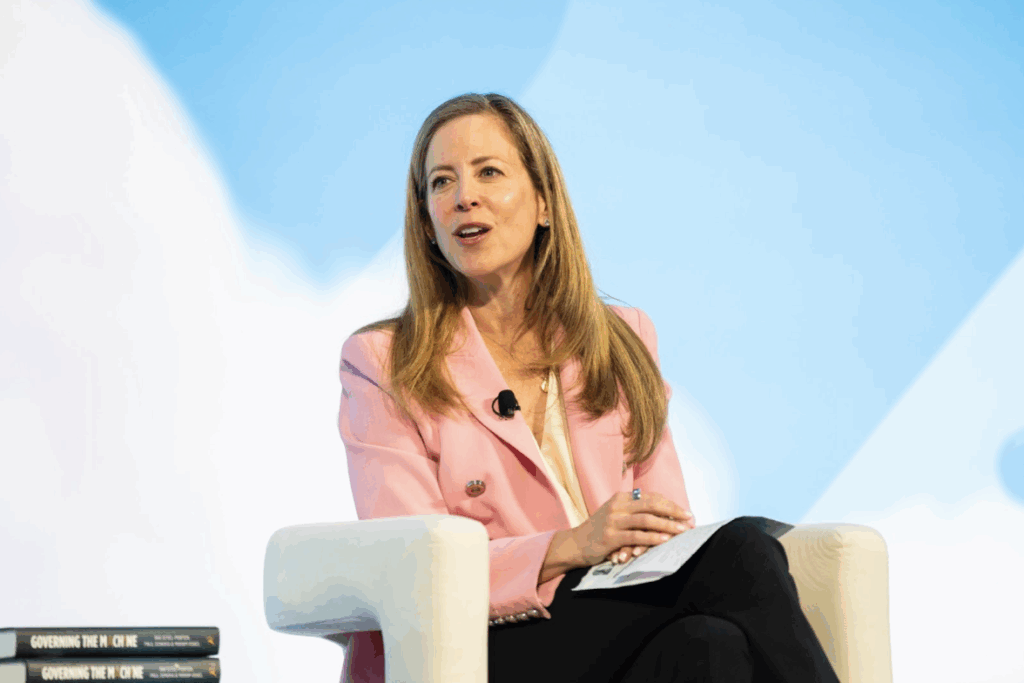
This year, we were excited to expand our coalition and welcome both new and returning voices into our work—reinforcing that AI governance and AI literacy are not siloed efforts, but shared responsibilities that benefit from broad engagement. Throughout 2025, our community grew to include more corporate partners, board members, policymakers, legal experts, and AI practitioners. The progress we made together reflects not only the strength of this community, but the growing urgency of our shared mission.
At the start of the year we launched our AI Literacy Initiative in response to a growing gap: the pace of AI innovation was rapidly outstripping public understanding and available educational resources. We saw the need to make foundational AI knowledge a core part of our work—so people aren’t just eager to use AI tools, but equipped to use them thoughtfully, manage risk, and unlock their full potential for productivity and personal growth.
Throughout the year, we were grateful to convene conversations with leaders who share this view of AI literacy as an essential enabler, including Mason Grimshaw, Dr. Andrew Ng, Van Jones, Senator Mike Rounds, and many others. We also launched our AI Literacy Initiative in Chattanooga, Tennessee, partnering with Heartland Forward and Mayor Tim Kelly to host a convening focused on the future of AI in education, government, and the workforce.
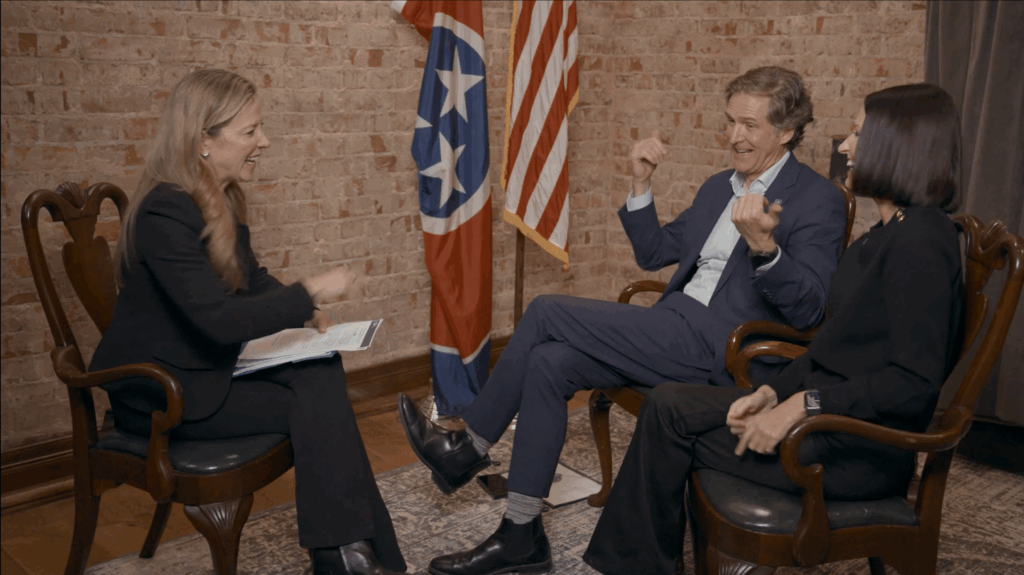
Our literacy efforts continued as we supported corporate partners in embedding AI upskilling, training, and education into their governance initiatives. We’re excited to expand this work nationally in the year ahead, bringing our AI Literacy Initiative to cities including Tempe, Arizona; Jackson, Mississippi; and beyond.
We also made critical strides in advancing practical AI governance frameworks. Throughout the year, countless headlines highlighted the rapid pace of corporate AI adoption—often alongside growing concerns about return on investment and safe deployment. We continue to see that smart AI governance—grounded in risk awareness and harm mitigation—is the key to unlocking AI’s full potential. Against that backdrop, we were proud to contribute to many of the conversations shaping how organizations can implement governance frameworks effectively and at scale.
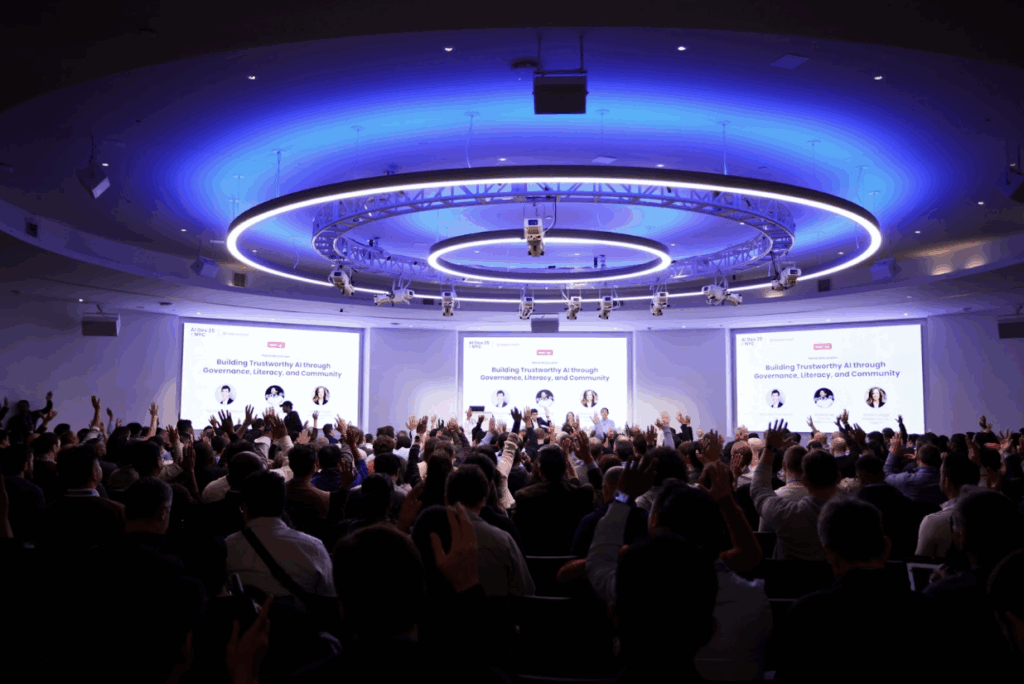
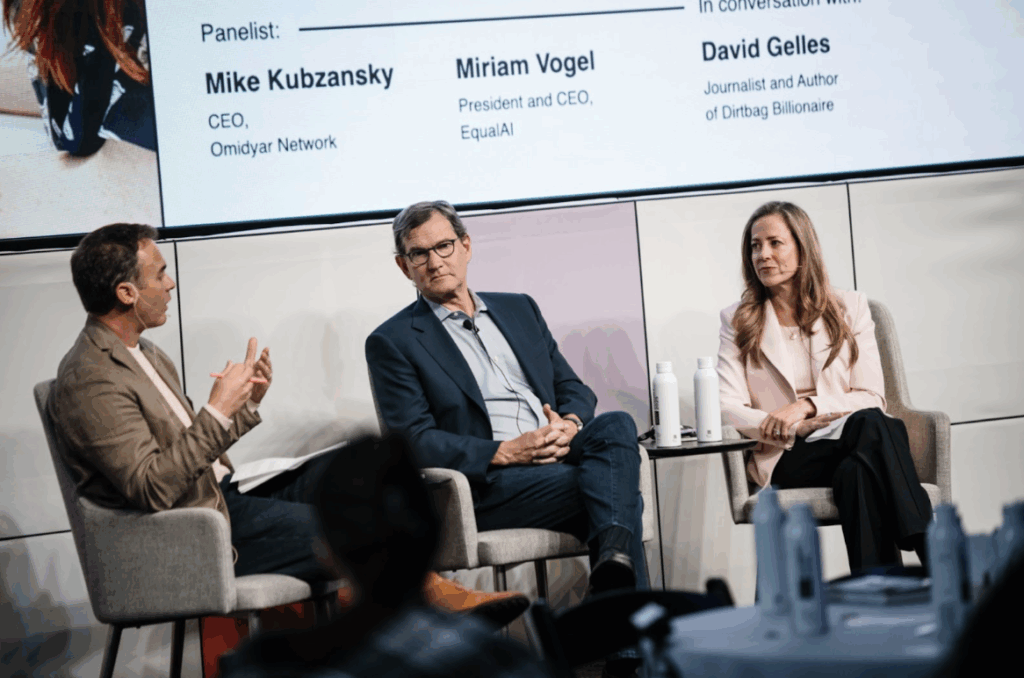
In May, we hosted our inaugural C-Suite Summit, convening leaders from industry, policy, and academia to tackle the future of AI governance head-on. Our global engagement expanded as well, with participation in key forums including the Paris AI Action Summit, the Knight Media Forum, and Masters of Scale—ensuring our perspective was represented at the most consequential tables. We also catalyzed timely conversations through In AI We Trust? and across outlets including MS Now, CNBC, and Bloomberg TV, broadening the dialogue so AI governance is shaped not only by those at the top, but by the people and communities most impacted by AI systems.
Our commitment to advancing AI governance and fostering AI literacy remains strong, made possible by the partnership and support of our community. As AI is developed and deployed at unprecedented speed, governance plays a critical role in ensuring these technologies are used thoughtfully, effectively, and in ways that earn trust. In parallel, our literacy efforts are expanding access to understanding—equipping individuals to engage with AI more confidently and to help shape how it is used. Together, these priorities anchor our work and guide our mission.
Looking ahead to 2026, we’re excited to expand our AI literacy efforts to cities across the country and continue growing our AI literacy coalition. We’ll launch the sixth cohort of our Badge Program and convene our third in-person AI Summit in May, focused on the emerging topic of agentic AI. We’re deeply grateful to our stakeholders and partners, and confident that together we can help shape an AI future that delivers real, lasting benefit. As we step into the year ahead, we’re reminded that the future of AI is not something that simply happens to us—it’s something we actively shape. With the right governance, shared understanding, and collective leadership, AI can strengthen institutions, expand opportunity, and improve lives. We’re honored to do this work alongside you, and energized by what we can build together in the year to come.